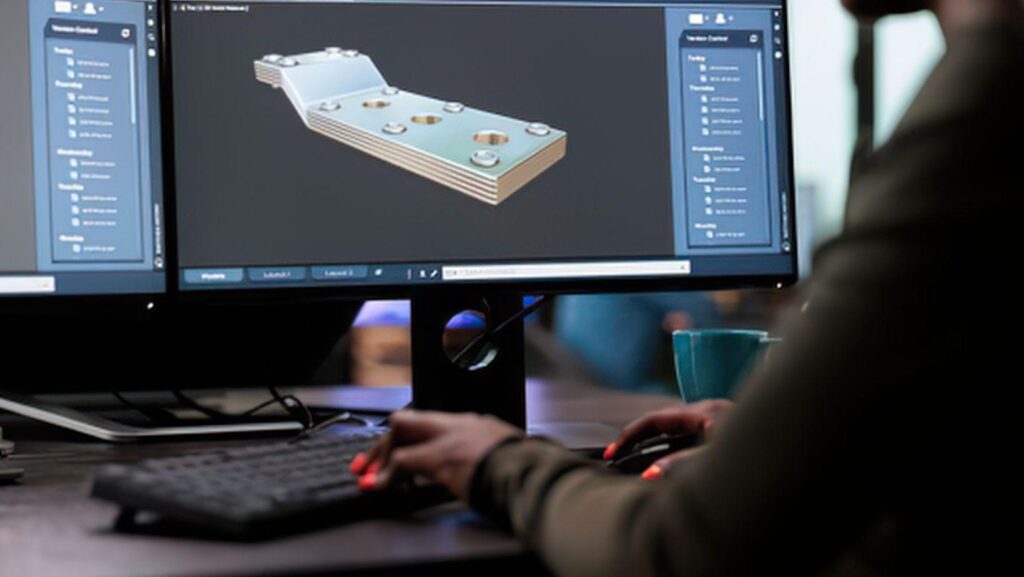
Mobile developers work under tighter technical limits than many desktop teams. Every model must earn its place inside the final build. Large textures or heavy geometry can hurt performance quickly.
Speed also has real business value in mobile development. Sensor Tower reported 95,000 mobile game downloads every minute during 2025. Mobile gaming also generated about $82 billion from in app purchases that year.
Competition leaves smaller teams little room for wasted production time. Unity found that 52 percent of surveyed developers now prioritize smaller projects to reduce risk.
This is where AI tools can help practically. They give your team quicker ways to test assets before deeper manual work begins.
1. Developers Can Test Props Before Building Final Versions
Mobile games need many objects beyond the main character. Your levels may require signs, furniture, rocks, weapons, buildings, or decorative items.
Building every early idea manually can slow production considerably. An AI 3D model generator gives your team another route for creating those first versions.
Suppose your level needs six different market stalls. Your artist can test several visual directions before polishing one design.
This type of AI 3D modeling works best during uncertain stages. Your team gets something three dimensional to judge much earlier.
The model still needs review before shipping. However, rejected concepts consume fewer artist hours than before.
2. Mobile Asset Budgets Can Guide Generation Early
A beautiful asset can still perform badly on phones. Mobile developers must watch geometry before adding more scene detail.
Meshy’s current game ready guidance suggests 100 to 500 triangles for mobile background props. It suggests roughly 1,000 to 3,000 triangles for a mobile hero character. Those figures are starting points rather than fixed limits.
Your actual budget depends on the game itself. Camera distance and device targets change what your scene can support.
Use generated models as drafts before optimizing geometry. Then test the asset on the weakest phone your game supports.
This approach helps mobile game development teams find performance problems before dozens of similar objects enter production.
3. Concept Art Can Turn Into Testable Models Faster
Many mobile studios already have character sheets or prop drawings. Image based generation can turn those references into early 3D drafts.
This can help when written prompts cannot explain a design properly. A strange weapon shape might take paragraphs to describe accurately.
One image still leaves hidden surfaces unanswered. The back of a creature may contain completely different details.
Meshy 7 offers Multi View for Image to 3D. Users can provide one main reference plus three additional viewing angles. Multi View is available through paid plans rather than free access.
Meshy also offers a free plan alongside paid subscriptions. Free accounts currently receive 100 credits each month.
4. Free Access Helps Small Teams Test the Workflow
Independent mobile developers frequently work with limited production budgets. Paying immediately for every experimental service makes testing harder.
A Free AI 3D modeling Tool can give your team room to experiment before committing money.
Meshy’s free plan currently includes 100 monthly credits. Those credits reset on the first day of each month. Free plan models use a CC BY 4.0 license, which requires attribution for commercial use.
Paid plans provide private licensing and broader download access. They also include features such as Multi View generation.
Read licensing terms before placing generated content inside a commercial mobile game.
5. Character Prototypes Can Reach Animation Testing Earlier
Characters need more than finished geometry before gameplay testing. A skeleton must control the model during movement.
Automatic rigging can reduce repetitive setup during early experiments. Meshy supports Auto Rigging for humanoid and quadruped characters.
Smart Rig Beta also handles custom or fantasy creatures outside those standard body categories. This helps developers test monsters with unusual structures.
Your artist should still inspect difficult joints afterward. Shoulders, wings, tails, and extra limbs can require manual corrections.
For mobile teams, this saves the most time during prototypes. Nobody wants to spend hours rigging an enemy that gets removed tomorrow.
6. Export Choices Can Reduce Extra Conversion Work
Generated 3D assets eventually need to enter your engine. Choosing an appropriate format can save another unnecessary conversion stage.
Meshy currently supports FBX, OBJ, GLB, STL, USDZ, and BLEND exports.
Its game ready documentation recommends GLB as a useful option for Unity workflows. FBX is a common choice for Unreal and assets containing rigs or animation data.
Textures deserve attention during export as well. Meshy supports PBR maps including color, roughness, metallic, and normal information.
Always test the imported asset inside your real scene. A successful export does not guarantee good mobile performance.
7. AI Can Help With Live Content Production
Many successful mobile games keep adding content after release. Seasonal events may need fresh props, costumes, or environmental objects.
Producing every temporary asset from scratch can strain small art teams. Early generated drafts can help teams review more concepts quickly.
Imagine planning a Halloween event lasting three weeks. Your game may need pumpkins, lanterns, fences, and themed decorations.
Using AI game tools for first drafts can shorten concept approval. Artists can then polish only the pieces selected for the final event.
This approach keeps experienced people focused on visible assets. Temporary background objects can receive a different production budget than main characters.
8. Optimization Still Needs Human Decisions
AI output should never bypass technical review automatically. Mobile hardware varies widely across regions and price ranges.
Your team needs to inspect every important asset before release. Use a simple checklist during review:
- Confirm the polygon count matches the asset’s screen importance.
- Test the model on your lowest supported device.
- Reduce texture sizes when players barely see surface detail.
- Check materials for unnecessary shader complexity during gameplay.
- Create LOD versions when distant models need cheaper geometry.
- Review collision meshes because complex collisions can waste performance.
Meshy does not automatically generate LOD variants currently. Developers need to make those versions inside their engine or another 3D application.
A Practical Mobile Workflow
You can keep AI inside a controlled production process.
First, generate several rough versions of one needed asset. Next, pick the design that works best inside your actual level.
After selection, reduce geometry for your device targets. Check textures and collision before importing the final version.
Characters should receive rig tests before animation work expands. Background props can follow a simpler optimization path.
Most importantly, profile everything on real hardware. Desktop previews cannot tell you exactly how an older phone will perform.
FAQ
Can AI generated models go directly into mobile games?
They can enter prototypes quickly, but production models still need performance checks. Geometry, textures, collision, and materials should match your device targets.
Does Meshy have a free plan?
Yes, Meshy currently offers both free and paid plans. Free accounts receive 100 monthly credits with specific licensing and download limits.
Can AI rig fantasy creatures for mobile games?
Smart Rig Beta supports custom and fantasy creature structures. Developers should still test unusual joints before using those rigs in production.
Final Thoughts
Mobile development rewards teams that reject weak ideas early. AI gives developers a quicker way to reach that decision.
The biggest advantage is not automatic final art. It is getting prototypes into your game before expensive polishing begins.
Your artists still control optimization and final quality. AI simply helps them spend more time on assets players will actually see.