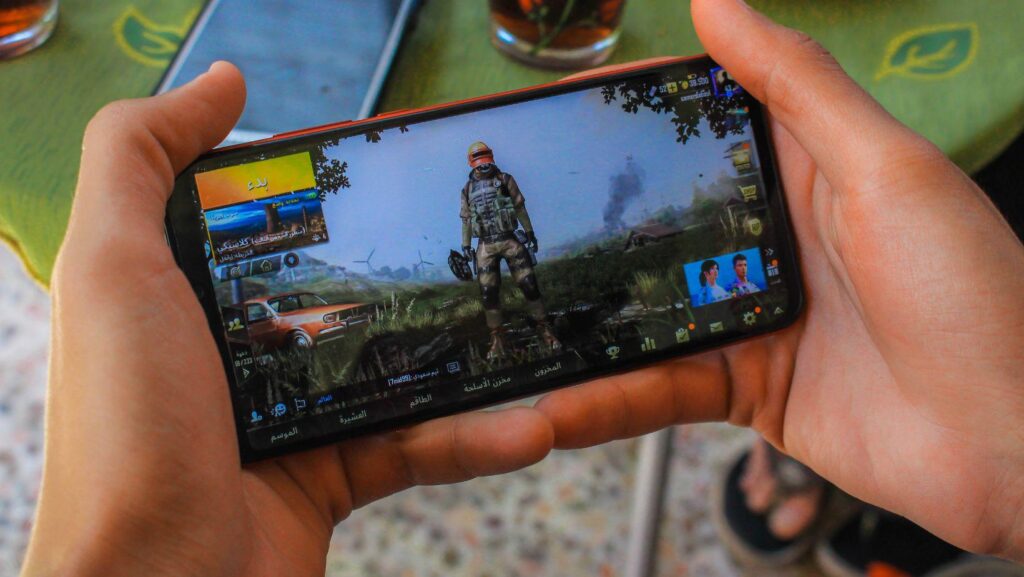
Mobile games are more than just a way to pass the time. They can also teach developers a lot about good app design. A well-made mobile game needs to be easy to understand, quick to use, and enjoyable from the first few seconds. These same ideas are important when building almost any type of mobile app.
One good example is Poseidons Rising Expanded Edition, which shows how a strong theme can work together with simple interaction. While games and business apps have different goals, they both need to give users a clear reason to keep using them. This is why mobile game design can provide useful ideas for developers, designers, and anyone interested in better digital experiences.
First Impressions Matter
When someone opens an app for the first time, they quickly decide whether they like it. If the screen looks confusing or the user does not know what to do, they may leave.
Games understand this very well. They often introduce their main features slowly. Instead of giving players a large amount of information at once, they show them what they need to know step by step.
App developers can use the same approach. A new user does not need to see every feature immediately. A simple welcome screen and a clear first step can make the whole experience easier.
Keep Navigation Simple
Nobody wants to spend time searching for a button.
Mobile games usually place important controls where users can find them easily. The same idea can be used in other mobile applications.
Menus should be clear. Buttons should be easy to see and tap. Important information should not be hidden behind too many screens.
Simple navigation is especially important because phone screens are smaller than computer screens. There is less space, so every part of the design needs to have a purpose.
Make Every Action Feel Useful
Good games give players a reason to interact. Pressing a button, completing a task, or moving to another screen should feel meaningful.
This does not mean every app needs rewards or points. Instead, developers can think about what the user wants to achieve.
For example, a shopping app should make it easy to find a product and complete a purchase. A fitness app should make recording an activity simple. A banking app should help users quickly find important information.
The best designs remove unnecessary steps.
Visual Design Can Guide Users
Colours, images, icons, and animations are not only there to make an app look attractive. They can also help users understand what to do.
Games often use visual effects to show when something important happens. A small animation can tell a player that an action was successful.
Apps can use similar ideas. A simple message or visual change can confirm that a form was submitted or a setting was changed.
The key is to avoid using too many effects. If everything moves or flashes, nothing feels important.
Mobile Performance Matters
A great design is not enough if an app is slow.
People expect mobile applications to respond quickly. Long loading times can make users frustrated, even when the app itself looks good.
Developers need to think about performance from the beginning. Images should be optimised, unnecessary features should be reduced, and the app should be tested on different devices.
This is especially important because not everyone has the newest smartphone or the fastest internet connection.
Learn From Real Users
One of the best ways to improve an app is to watch how real people use it.
Developers may understand their own product perfectly because they created it. A new user may see things very differently.
Testing can reveal simple problems. A button may be difficult to find. A menu may be unclear. Instructions may use words that users do not understand.
Small Changes Can Make a Big Difference
Improving an app does not always require a complete redesign.
Sometimes a small change can make the experience much better. Moving a button, reducing the amount of text, improving an icon, or making a screen load faster can have a noticeable effect.
This is one reason testing and feedback are so valuable. Developers can identify the areas that cause problems and improve them one at a time.