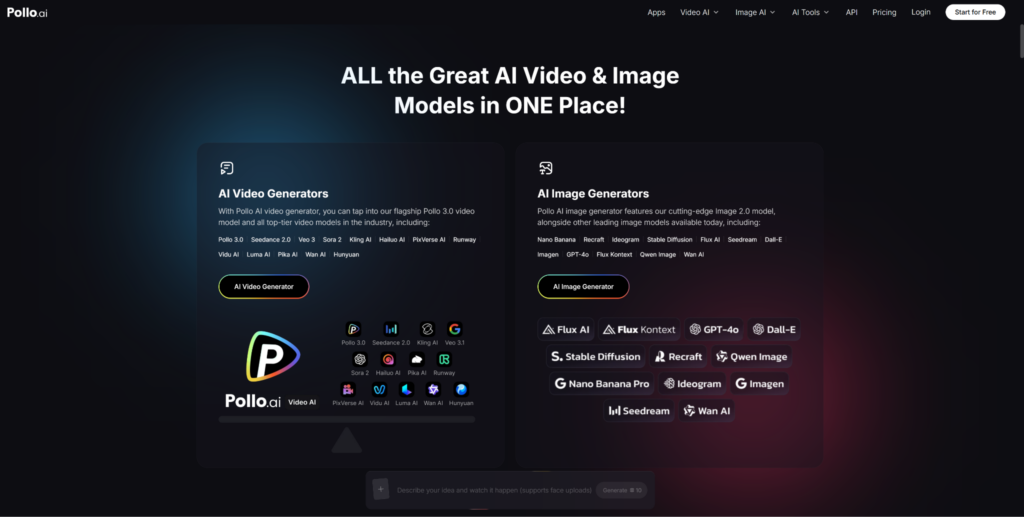
Repurposing written content into video has always been a good idea in theory and a painful process in practice. But the equation is changing. With Pollo AI's avatar tool, marketing teams can convert a blog post into a presenter-led video in minutes — no camera setup, no actor coordination, no studio booking required.
Why Western Marketing Teams Want Camera-Free Video Production
For most content teams, filming is the bottleneck. You need a presenter, a location, good lighting, and someone to handle post-production. If you want multiple versions — for different markets, different messages, or A/B testing — the costs multiply fast.
This is especially common in Western marketing environments, where content velocity is high and team sizes are lean. Marketing managers need video assets that can be produced quickly, iterated easily, and delivered without involving a production crew every time.
Avatar-based video solves this. Instead of organizing a shoot, you start with a single photo. Pollo AI's AI video avatar feature is built precisely for this workflow — a single photo in, a credible presenter-led clip out.
What Makes an Avatar Video Feel Usable Instead of Robotic
Not all AI avatar tools produce content that people actually want to watch. The common failure modes are obvious: unnatural lip movements, stiff facial expressions, and a mechanical delivery that immediately reads as "generated."
What separates a usable presenter video from a robotic one comes down to three things:
How Pollo AI Turns One Photo into a Presenter Video
Pollo AI's avatar feature is built around a simple input: one photo. From that single image, Pollo AI can generate a presenter video up to two minutes long — with natural lip sync, dynamic facial expressions, and realistic hand gestures. No pre-recorded video samples are needed. No model training. No onboarding delay.
The workflow accepts both typed scripts and uploaded audio, giving teams flexibility in how they control the delivery. You can write a script directly in the interface, or bring in a pre-produced voice-over track and let Pollo AI build the visual presentation around it.
Step-by-Step: From Article to Presenter Asset
Here's a practical workflow for converting a blog post into a video presenter clip:
The entire process — from article to finished draft — can happen in a single session.
Internal Supporting Page for Broader Tool Context
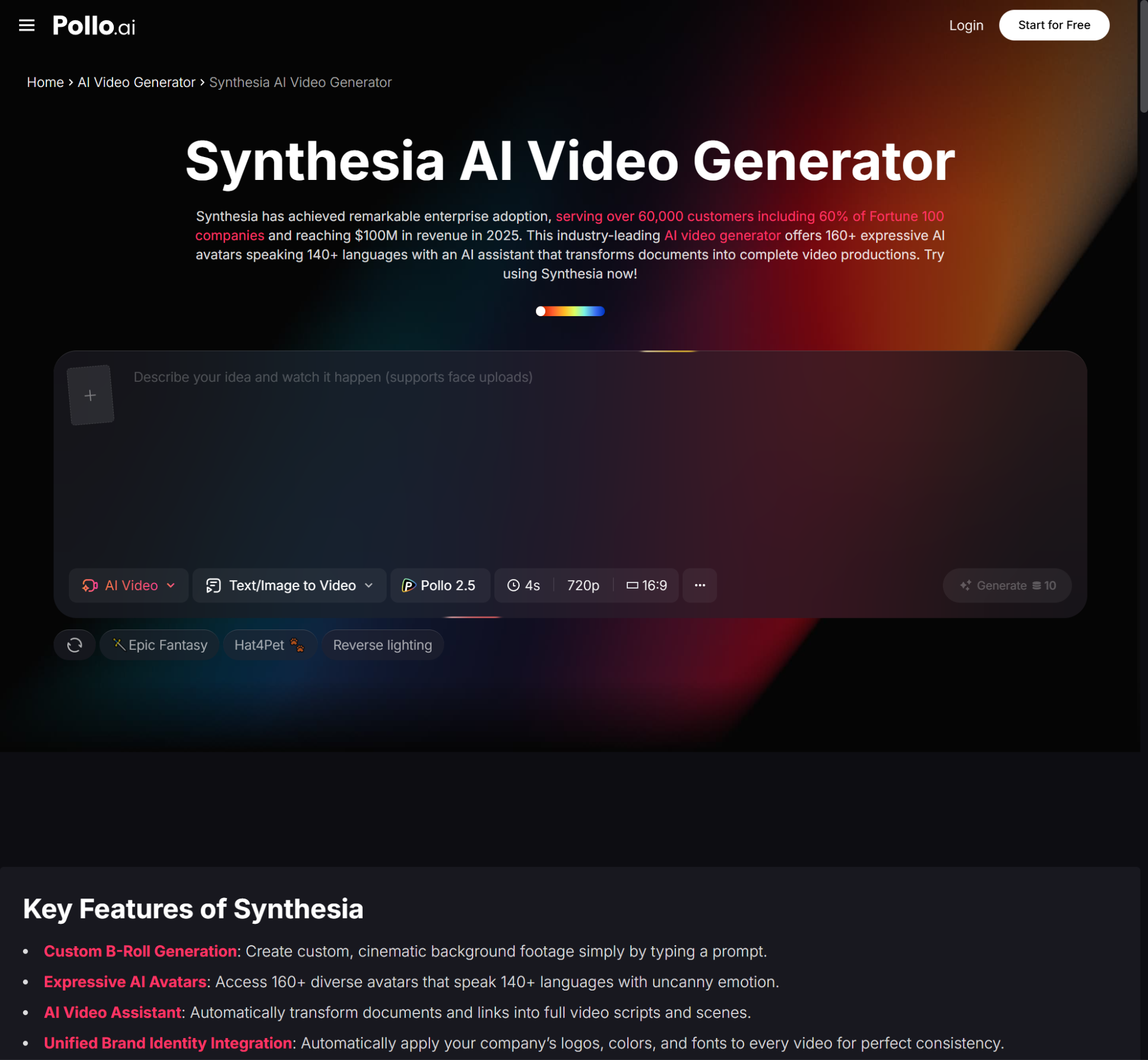
For teams exploring different avatar and presenter video approaches, the Synthesia page on Pollo AI provides helpful context for understanding how this category of tool has developed and what different workflows look like in practice.
Conclusion
Pollo AI removes the biggest obstacle to consistent video content: the production overhead. A single photo, a script, and a few minutes is all it takes to turn a written asset into a presenter-led video. For marketing teams under deadline pressure and content volume expectations, that kind of speed and flexibility changes what's actually possible.