Early Mobile Apps vs Modern Experiences
Mobile apps were first created to make technology on phones more easily accessible, user-centric, and portable. Early apps were designed to carry out basic functions and the creation of the first smartphone in 1994, the Simon Personal Communicator by American Company IBM was a sneak preview into the endless technological possibilities available to creative innovators who were willing to push the boundaries of mobile phone design and functionality.
The phone featured a calculator, calendar, email capabilities, and an address book that could all be accessed through the first touch screen with a stylus. The phone demonstrated that it could be much more than a device for making phone calls, but demonstrated that in the future mobile phones could be used in business and personal lives to connect, be productive, even to the point of creating happiness, entertainment options, and convenience. Nokia’s Snake game was proof that users wanted phones that they could enjoy multiple activities on.
Apple’s release of the first iPhone in 2007 took mobile phone use to another dimension offering an intuitive user interface with an easy to use multi touch screen and access to the app store where users could access apps designed by third parties. Over the next twenty years mobile apps have continually evolved going from strength to strength through relentless innovation to improve the user experience.
Two decades later, the mobile app experience has metamorphosed, creating a culture where apps are an essential part of daily lives offering experiences that are immersive, intuitive, and easily accessible. Modern day apps are constant companions that enable users to seamlessly navigate their way through leisure and professional activities regardless of their geographical location.
Rise of Gesture-Based Navigation and Fluid UI
The UX (User Experience) has evolved since the first mobile phones used multi tap text which required several presses of a number to find the letter that was needed to send a message on a low resolution phone screen.
Gesture based navigation (the ability to swipe using hand movements instead of buttons) was released on 6 June 2009. The Android Palm Pre ran using a Linux based operating system and was made by Palm Inc in the United States. It was the first smartphone to feature a multi touch interface after the iPhone. This was several years before Apple released the iPhone X in 2017 that had no buttons. All navigation was gesture based.
Today approximately seventy percent of all smartphones use this technology. The UI plays an important role in the overall user experience which now dictates how users interact with mobile devices. The introduction of the touchscreen with the iPhone in 2007 offered an experience that was intuitive and felt much more natural than buttons.
Full screens and no buttons on modern smartphones are now mainstream offering clutter free interfaces and a more satisfying user experience. The UI is fluid and designed to mimic real world interactions such as sliding objects and flipping pages.
The replacement of buttons frees up screen area for content creating a minimalistic interface that provides a seamless onboarding experience for users who can learn how to navigate through apps in a matter of seconds. Touching the screen sparks an emotional connection between the screen and the user through the use of haptic feedback and animations offering a level of detail that is pleasing to users. Gesture based navigation is also easily accessible to users that have constraints that prevent them from using traditional control tools.
Integration of Real-Time Features
Modern users expect mobile UX’s that integrate real time features into mobile applications allowing users to engage in several tasks at the same time through the replication of behaviours that are time sensitive. Real time features have transformed how users interact with applications and offer them experiences that are immediate and delivered seamlessly.
Live content such as social media feeds offer instant updates on new content. IoT alerts users through text messages, app notifications or emails about any issues that may arise during the process flow so that they can be dealt with. Real time messaging means that users can enjoy fast and interactive communication where data, visuals, media, group chats, and voice calls create an efficient method of communication.
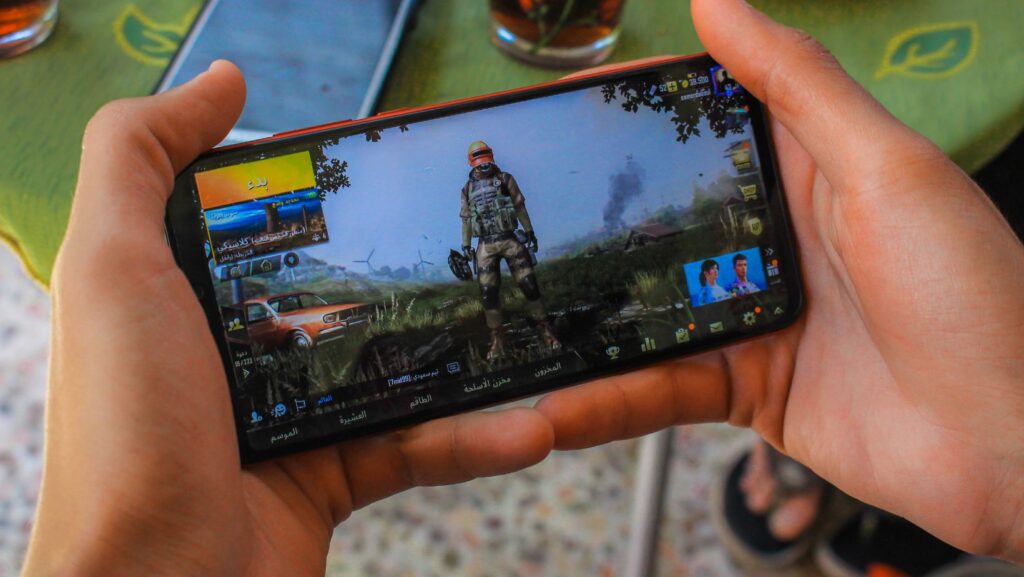
Live streaming plays an important role in the delivery of content in real time that is used for both professional and leisure purposes. It has become an important element of online gaming such as live dealer casino games and multiplayer games where players can interact in real time with other participants or the dealer and creates a deeply immersive gaming experience.
Importance of Performance Optimization
One of the biggest mistakes that was made when the first mobile apps were developed was that app developers tried to squeeze an exact copy of the desktop app into a tiny phone screen which made them clumsy and difficult to use. Optimising performance by offering fast responsive applications, not only improves the user experience, the efficiency and speed of delivery of information and seamless delivery of content will keep users on a platform until they have achieved the goal of their visit.
Case Examples Including Gaming and Entertainment Platforms
In order to provide an exceptional user experience, entertainment platforms such as Amazon Prime and Netflix and dynamic online gaming platforms such as https://casinodaysalberta.com/ have crafted UX that are intuitive and seamless leaving the customer immersed and engaged and satisfied with the experience. These platforms stand out above their competition cross platform access so that customers can enjoy content and gaming on any device of their choice and pick up exactly where they left off without sacrificing the functionality and aesthetic appeal regardless of the screen size which creates a fluid, immersive, and enjoyable experience.
The implementation of an intuitive and responsive user interface creates a clean environment that has minimal distractions. Casino Days features a minimalist design that has consistent visuals and interactive elements such as layouts and icons that help players easily find games and understand game mechanics. The platform also offers accessibility that is suitable for players of all skill levels as well as those that may suffer from impediments that make accessing platforms a challenge.
Mobile UX Is Becoming Increasingly Immersive
Over the past twenty years mobile UX has undergone a complete transformation. In the past it was innovative app designers who harnessed technology and have continually created new devices that have pushed the limits of digital communication with smartphones that are so powerful that they have turned into mini portable pocket computers.
In the past several years however, the web has been evolving faster than ever before and now what is created is now dictated by the demands of the consumer rather than the designer. Users are no longer passive, they seek experiences that are visually engaging, highly interactive, intuitive, immersive, and personalised.
Going forward apps and websites will no longer be static spaces, rather each interaction with an app or website will be an online experience that is built around immersive journeys where story telling will guide users through every moment of their visit. There will be more layered animation, fluid transitions between different sections of a website that creates an emotional connection with different elements that a user interacts with.
AI will play an integral role in improving UX by understanding the intent of the search rather than needing exact keywords and will also create dynamic content that will be based on user behaviours. AR and VR will enable users to interact with the environment that they are exploring and will no longer be limited to gaming offering a depth of immersive interaction that has never been experienced before.