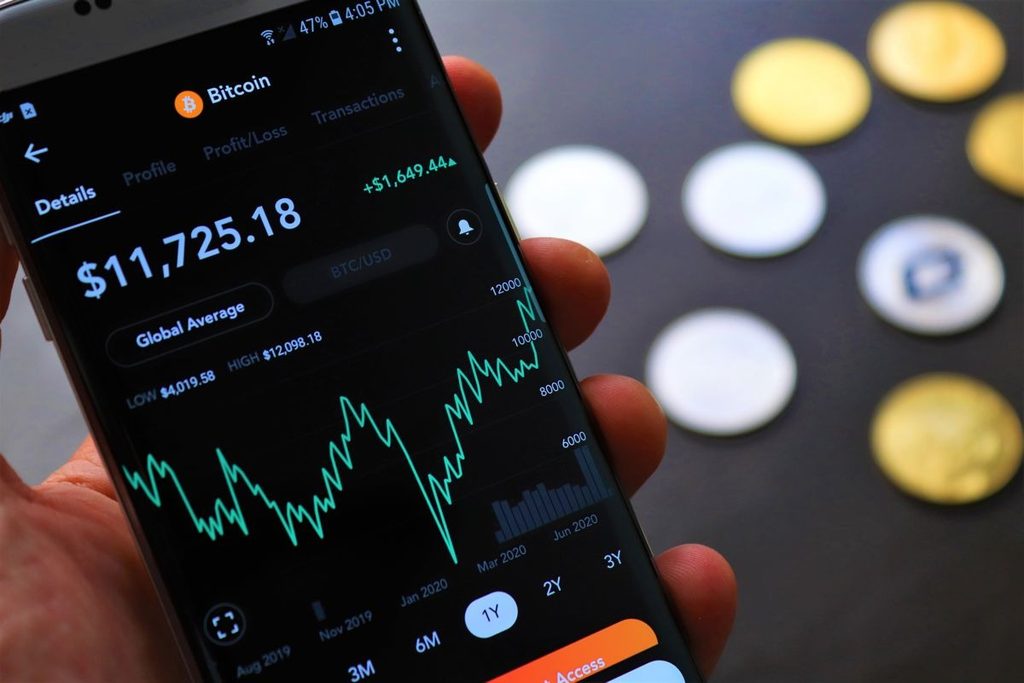
The user experience for modern crypto trading apps has become one of the key differentiators for many traders. Cryptocurrency, like many other digital fields, is an incredibly competitive industry, and some of the war for customer attention is being waged through the application of modern UX techniques.
User experience has become the primary differentiator for crypto trading apps. In a market where dozens of platforms offer near-identical fee structures and asset selections, the apps retaining users are those investing in intuitive design, fast performance, and personalised workflows. The major battlefield for customer attraction and retention in modern app design for cryptocurrency exchanges, as with many other tech fields, has become the user experience (UX). Users are likely to not just appreciate, but expect, apps to have tools that can help them track the BNB price USD, or any other cryptocurrency-to-currency pair that they are interested in, easily, among a range of other tools that make trading simpler.
The following sections cover why UX has become a competitive differentiator, and the specific techniques leading crypto trading apps deploy.
Why Does UX Matter So Much Today?
UX has become more important for the modern cryptocurrency market largely thanks to the increasing accessibility of the market. No longer is cryptocurrency the province solely of those who understand all the nuances of blockchain technologies; anyone can download an app and engage in purchasing digital assets. In such an ecosystem, where access has become much more ubiquitous, the quality of that access can become important.
Cryptocurrency trading apps that have no guidance on confusing terminology, trading screens that are cluttered and overly complex, or that offer poor internal navigation options are simply not going to recommend themselves to newcomers. Even experienced traders are more likely to choose apps that have put the time in to make the experience of using them pleasant than they are to stick with services that have unreasonable and, frankly, unnecessary levels of complexity built in.
The best apps for crypto trading are able to straddle the line and hit the sweet spot that exists between offering complex tools for veteran investors and simplified UIs that let newcomers understand what is happening. Good UX like this is also one of the best ways for apps to gain customer loyalty. Customers no longer care so much about what the service is, because so much of the competition offers the exact same service; they care about how nice that service is to use for them.
Navigation Is The Core of Good UX
One of the most important things for good app UX is good navigation. Users should be able to easily understand what they are doing and where they need to go to get to it. The user shouldn’t feel like they are drowning in menus and information; they should see a clean user interface dashboard that has clear buttons and menus for them to navigate with.
Users on crypto trading apps should be able to clearly see and easily access things like:
- Market movements.
- Portfolios.
- Their favored cryptocurrencies.
- Options for withdrawing and depositing funds or tokens.
- Any open positions they are holding.
This doesn’t mean that these are the only options and tools, but they should be the most prominent. High-level UX can also allow users to customize their dashboards, so that they can immediately gain access to what matters most to them. Which brings us directly to…
Personalization Is The King of The Trends
One of the biggest trends in modern digital services at the moment is personalization. All sorts of services are investing in enhanced personalization in order to provide a better user experience, and in plenty of industries an increasing level of personalization is becoming a customer expectation.
For cryptocurrency trading apps, increased personalization can look like:
- Specific user-set price alerts.
- Watchlists generated by user interest.
- Market news tailored to the user.
- Trading pairs that are frequently visited appearing higher on lists.
Personalization like this allows traders to more quickly get to the things that matter to them, and it also makes them feel as though they matter to the app, as the experience has become a unique one tailored specifically to their wants.
Optimized and Smooth Performance
It doesn’t matter how clean the UI looks; if it is poorly optimized and fails to load quickly on older phone models, the UX is not good. Apps should launch pretty much instantly, be responsive to user queries and be able to execute trades without any delay.
Optimization is such a crucial part of modern UX that developing apps that have a subtle or understated look is somewhat in vogue, as it lets them be more responsive, rather than trying to look pretty.
Of course, modern smartphones are able to process much more than their predecessors, but most savvy app designers attempt as best they can not to alienate customers who might be using older phone models.