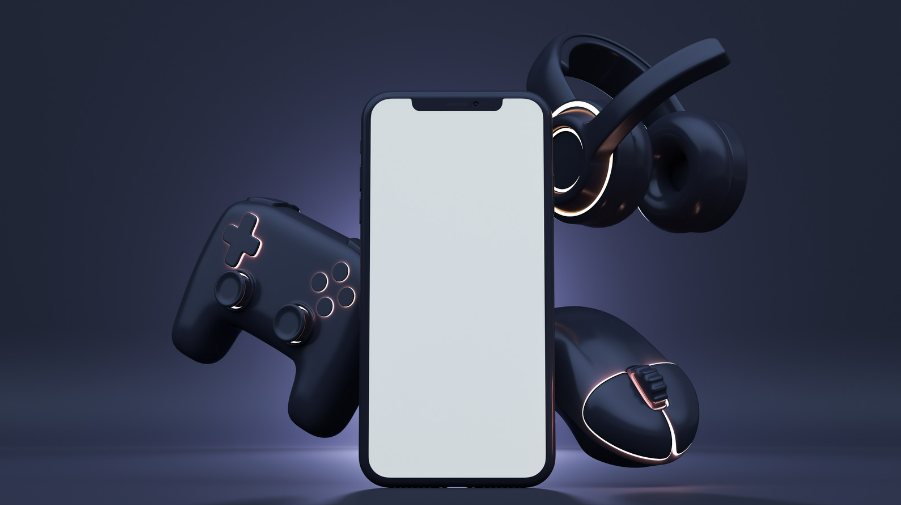
Picture this: It’s 2:07 a.m. You’re lying in bed, thumb flicking across your phone screen, chasing a high score in a game you downloaded “just to try.” You’re not alone. Millions of people, from teens in Tokyo to commuters in Chicago, are doing the same thing right now. That’s the raw, electric power of mobile gaming marketing—tapping into moments when people are most engaged, most themselves, and most open to new experiences.
Why Mobile Gaming Marketing Works
If you’ve ever wondered why mobile gaming marketing feels so different from other digital ads, here’s the secret: it’s not just about selling. It’s about joining the play. Mobile games aren’t just apps—they’re daily rituals, stress relievers, and social hangouts. When brands show up here, they’re not interrupting; they’re participating.
Let’s break it down. The average mobile gamer spends over 8 hours a week playing, according to Data.ai. That’s more time than most people spend watching Netflix. And unlike TV, mobile games demand attention. You can’t scroll past a level or half-listen to a puzzle. This focus is marketing gold.
Who Should Use Mobile Gaming Marketing?
Mobile gaming marketing isn’t for everyone. If your brand needs to reach retirees who still use flip phones, you might want to look elsewhere. But if you want to connect with Gen Z, Millennials, or even parents sneaking in a round of Candy Crush, this is your playground.
Here’s the part nobody tells you: mobile gaming marketing isn’t just for game studios or energy drink brands. Fashion labels, car companies, and even banks have found success here. The key is understanding the culture of play and respecting the player’s experience.
Types of Mobile Gaming Marketing
Let’s get specific. There are several ways to reach players through mobile gaming marketing:
- Rewarded Video Ads: Players watch a short ad to earn in-game currency or bonuses. It’s a win-win—players get rewards, brands get attention.
- Playable Ads: These let users try out a mini-version of your app or product inside the game. It’s like a test drive, but with dragons or candy.
- Branded In-Game Items: Think custom skins, branded power-ups, or limited-edition levels. These create buzz and make your brand part of the fun.
- Sponsorships and Tournaments: Brands sponsor in-game events or competitions, building loyalty and excitement.
Each approach has its own flavor. The best campaigns feel like a natural extension of the game, not a billboard slapped on a loading screen.
What Makes Mobile Gaming Marketing Different?
Here’s why mobile gaming marketing stands out: it’s interactive. Traditional ads talk at you. Mobile gaming marketing invites you to play along. When you’re swiping to dodge obstacles or matching gems, you’re not just seeing a brand—you’re experiencing it.
Let’s be real. Not every campaign works. I once worked with a brand that tried to shoehorn a serious financial message into a goofy puzzle game. Players hated it. The lesson? Respect the mood of the game. If you’re advertising in a lighthearted runner, keep your message playful. If you’re in a strategy game, appeal to the player’s competitive side.
How to Win at Mobile Gaming Marketing
If you want to succeed, you need to think like a player, not a marketer. Here are some tips that actually work:
- Test Everything: Don’t assume you know what players want. Run A/B tests on ad formats, rewards, and creative. Sometimes the weirdest idea wins.
- Respect the Experience: Never interrupt gameplay with a jarring ad. Integrate your message so it feels like a bonus, not a chore.
- Stay Authentic: If your brand doesn’t fit the game, don’t force it. Players can smell fake from a mile away.
Here’s a quick story: A snack brand once offered in-game power-ups shaped like their product. Players loved it so much, they started sharing screenshots on social media. The campaign cost less than a TV spot and drove a 30% spike in sales. Sometimes, the simplest ideas have the biggest impact.
Common Mistakes in Mobile Gaming Marketing
Let’s talk about what not to do. If you’ve ever groaned at a pop-up ad that blocked your game, you know the pain. Here are some pitfalls to avoid:
- Forgetting the player’s mindset. If your ad feels like homework, it’ll get skipped.
- Overusing the same format. Players get ad fatigue fast. Mix it up.
- Ignoring feedback. Players are vocal. If they hate your ad, they’ll tell you—loudly.
- Chasing trends blindly. Just because everyone’s doing AR filters doesn’t mean you should.
If you’ve ever struggled with low engagement, you’re not alone. The best marketers learn from their flops and keep experimenting.
What’s Next for Mobile Gaming Marketing?
Mobile gaming marketing keeps changing. New formats pop up every year. Augmented reality, influencer partnerships, and even virtual concerts are now part of the mix. But the heart of it stays the same: meet players where they are, respect their time, and make your brand part of the fun.
Here’s the truth: the most successful campaigns don’t just sell—they create memories. If you can make someone smile, help them win, or give them a story to share, you’ve already won.
Final Thoughts: Is Mobile Gaming Marketing Right for You?
If you want to reach people in their happiest, most engaged moments, mobile gaming marketing is worth a shot. But it’s not for brands that can’t play along. You need creativity, empathy, and a willingness to experiment. If you’re ready to join the game, the rewards can be huge.
So next time you’re stuck on a level, remember: someone, somewhere, is turning that moment of play into a powerful connection. Why not make it yours?