Mobile creatives—like videographers, event planners, and touring musicians—work in constantly shifting environments. Their “office” changes daily. Knowing basic first aid ensures that when equipment fails or locations get hazardous, the team can handle injuries swiftly and keep the production safely on track.
Shooting a music video in an abandoned warehouse sounds incredibly cool until someone steps on a rusty nail. I once worked a freelance gig where a lighting assistant severely burned his hand on a hot fixture. Because we were in a remote location, a quick trip to the clinic wasn’t an option. Luckily, the director had taken First Aid training in Kitchener and quickly wrapped the burn properly.
Creatives are natural problem solvers. Adding emergency response to your toolkit just makes sense.
Why Do Mobile Creatives Need Emergency Preparedness?
When you are moving from a studio to an outdoor set, you bring a lot of heavy, dangerous gear. C-stands fall over. Cables become tripping hazards. Weather conditions shift rapidly.
You aren’t protected by the standard safety protocols of a corporate building. You are out in the wild. If a model faints from heat exhaustion during a summer photoshoot, you are the first responder. Your ability to act fast dictates the outcome.
- Location unpredictability. You never really know what hazards exist at a new venue until you arrive.
- High-stress schedules. Rushing to catch the perfect golden hour light often leads to careless physical mistakes.
- Heavy equipment. Lugging cameras and lighting rigs up stairs frequently causes muscle strains or back injuries.
What Basic First Aid Skills Should Every Creative Know?
You don’t need a medical degree to save a shoot from disaster. A few core skills will cover 90% of the accidents you are likely to encounter on set.
First, learn how to stop bleeding. Deep cuts from sharp props or broken glass require immediate, firm pressure. Second, understand how to treat burns. Lighting equipment gets dangerously hot, and running cold water over a burn immediately is critical. Finally, know how to spot the signs of shock. An injured crew member might look fine initially, but shock can set in fast and turn deadly.
If you are looking for first aid training near the Downtown Kitchener core, around King Street East and Benton Street, or other areas close to our facility, then you may reach out to Coast2Coast First Aid/CPR – Kitchener in that area. For more info and articles like this, visit: https://www.c2cfirstaidaquatics.com/.
Frequently Asked Questions
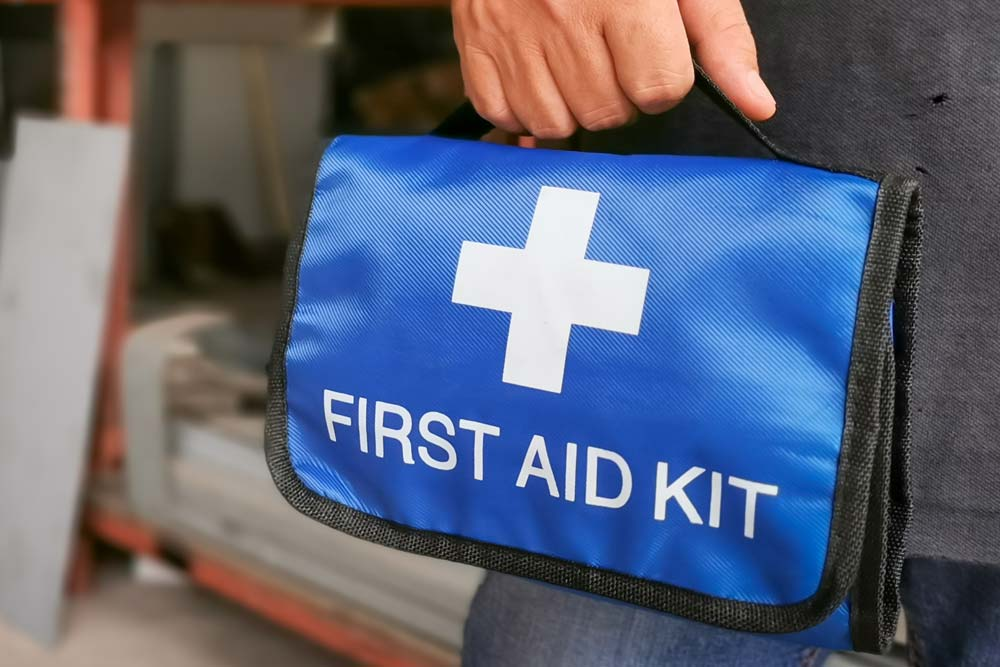
What should be in a mobile first aid kit for a film set? Your kit should include varied bandages, sterile gauze, medical tape, a cold pack, burn dressing, scissors, and disposable gloves.
Does a standard first aid course cover burn treatments? Yes. You will learn the proper protocols for thermal, chemical, and electrical burns, which are common hazards with heavy A/V equipment.
Can I get sued for trying to help someone on set? In Canada, the Good Samaritan Act protects individuals who voluntarily offer emergency assistance from liability, provided they act reasonably and don’t expect compensation.
Is it better to take CPR Level A or Level C? Level C is generally recommended. It covers CPR techniques for adults, children, and infants, making it much more versatile for public-facing creative work.
How do I handle an emergency if I am working entirely alone? Always share your location with a trusted contact before starting a solo shoot, carry a fully charged phone, and keep a personal first aid kit in your camera bag.